What the small metal signer is asking you to confirm
A plain account of Solana wallet safety on a hardware signer: the screen, the address, and the habit of reading it twice.
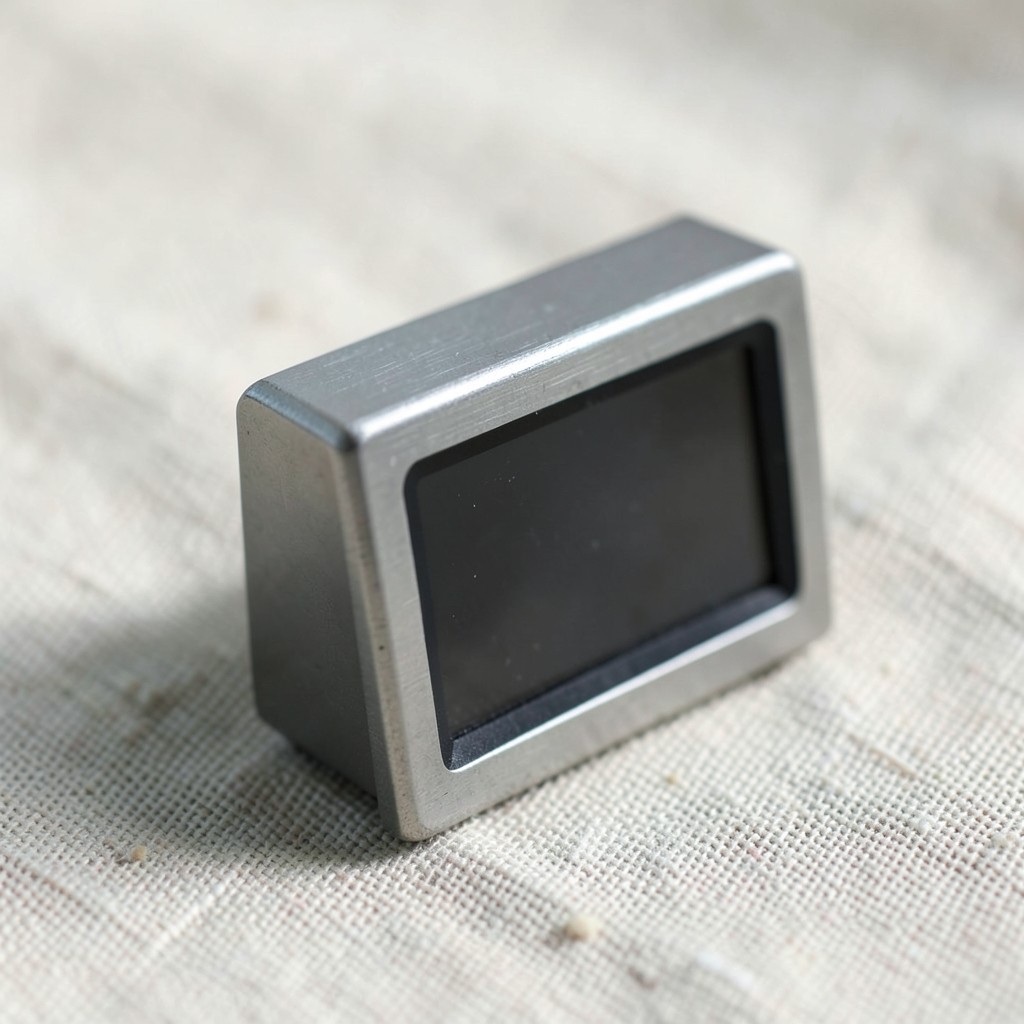
A hardware signer is a small device that keeps the secret for a Solana wallet and shows you what you are about to approve. The computer or phone may prepare the transaction. The signer is where you say yes. If those two disagree, the screen in your hand is the one that counts.
The habit we teach is dull on purpose. You compare the destination on the signer with the destination you meant to use. You look at the amount. You notice if the device is asking you to approve something you cannot read. That last case is the one the Saturday circle slows down for. If the screen is a hash you do not understand, you do not have to approve it today.
Blind approval is how a hurried person signs away coins they meant to keep. The library practice wallet holds nothing, so we can refuse a prompt together and see that nothing breaks. Refusal is a finished action. You can always create a clearer transaction later.
The device can be lost, dropped, or left in a coat. The paper phrase, stored somewhere else, is how you recover. The signer and the paper should not travel in the same bag. A PIN is not written on the device and not stored in the same envelope as the phrase.
You do not need to own a signer before the Saturday circle. If you already have one and want to rehearse a real-looking transfer with zero coins, book the private desk. Bring the device if you like. We will not ask for its PIN, and we will not ask for the phrase that backs it up.